The Rising Role of Youth in Pakistan’s Politics
Young voters are no longer spectators in Pakistan’s political arena. In recent general elections, youth turnout and activism have been notable, and many political parties increasingly recognize the importance of the young electorate. However, despite their numbers, comprehensive youth‑centric political agendas remain scarce, with major parties yet to present concrete plans addressing the specific needs of the younger generation.
Sources of Political Awareness: Social Media and Beyond
For many young Pakistanis, traditional media has given way to digital platforms like Facebook, WhatsApp, and Instagram as primary sources of information. Research shows that a significant portion of youth rely on social media for political news, discussion, and engagement. While this increases access to information, it also exposes them to misinformation, bias, and polarized narratives without the depth that formal education or structured civic learning can offer.
Challenges Facing Young Voters in Pakistan
Economic Struggles and Disillusionment
Issues such as unemployment, inflation, and economic uncertainty weigh heavily on young minds. A large number of educated Pakistanis are seeking opportunities abroad due to lack of stable jobs and economic prospects a trend that directly influences political sentiment and engagement among youth.
Limited Policy Influence
Despite active participation in campaigns and rallies, the youth often find themselves excluded from decision‑making roles within parties and government structures. Traditional power dynamics and seniority politics limit opportunities for young voices to shape legislation or public policy meaningfully
The Personal and Societal Costs
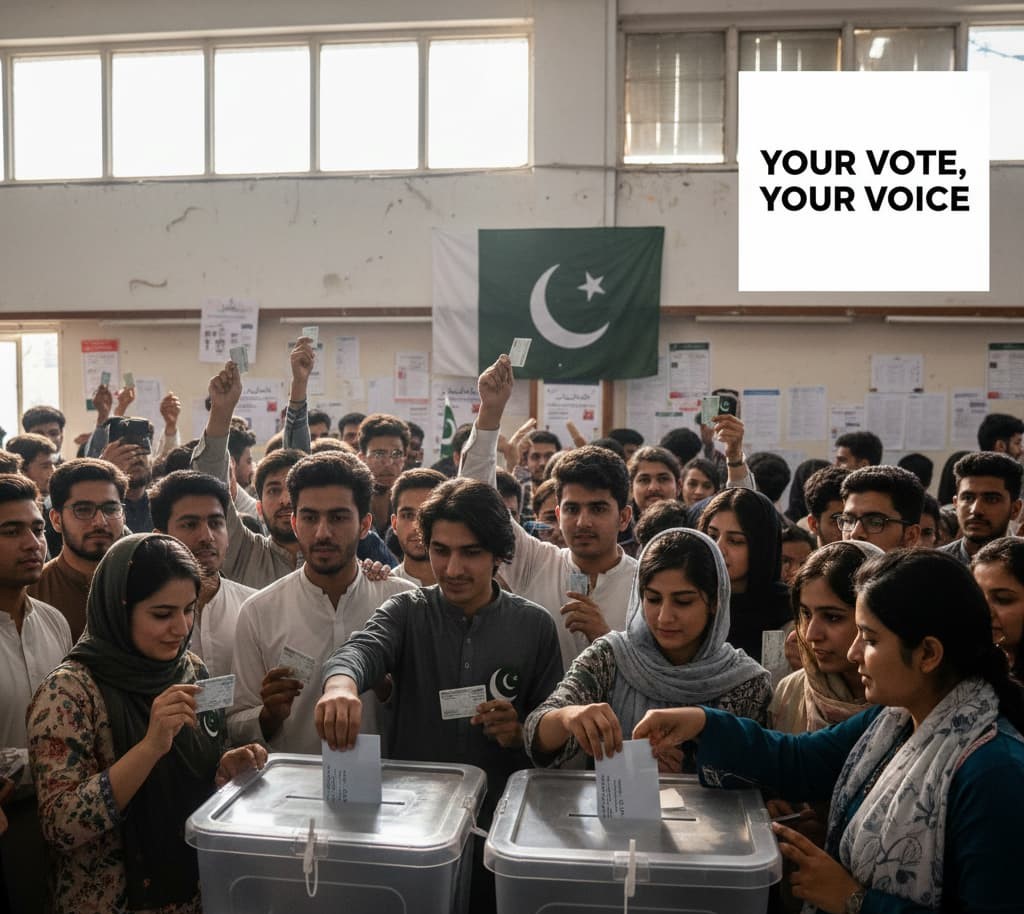
Political disengagement has broader implications. When youth feel that their vote doesn’t matter or that political processes are too complex or corrupt, the result can be low turnout, apathy, and weakened democratic representation. In a society where young voices make up such a large share of the electorate, this trend threatens the legitimacy and responsiveness of Pakistan’s political system.
Steps Toward Greater Youth Political Awareness
To cultivate a more informed and participatory youth, Pakistan needs:
- Enhanced Civic Education: Schools and universities should integrate structured courses on democracy, governance, and civic rights.
- Youth Inclusion in Policy: Political parties must move beyond symbolic gestures and involve young members in real decision‑making roles.
- Media Literacy Campaigns: Equipping youth with skills to critically evaluate information will reduce the impact of misinformation.
- Stronger Local Governance: Empowering youth at the grassroots level can build confidence and provide practical political experience
Youth Empowerment and the Constitution of Pakistan
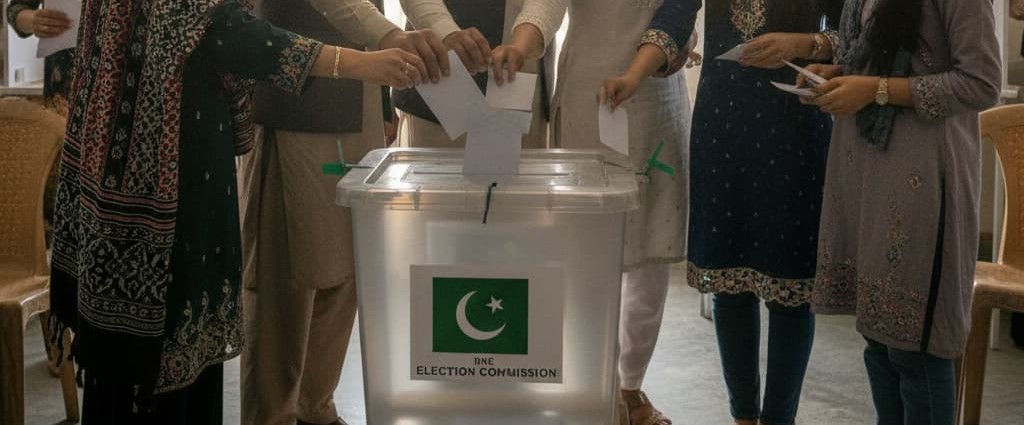
The Constitution of Pakistan recognizes the importance of youth in shaping the nation’s future. Article 17 guarantees the right of every citizen to form associations or unions, enabling young people to organize and participate in political or social causes. Moreover, Article 37(b) emphasizes that the state shall promote education and economic opportunities for youth, ensuring their development and active participation in national life. Importantly, the right to vote is protected under Article 218, allowing citizens from the age of 18 and above to exercise their franchise in elections. These constitutional provisions empower young Pakistanis not only to vote but also to actively engage in policymaking, advocacy, and leadership roles reinforcing that political awareness and civic engagement are not just privileges, but their constitutional right and responsibility.
Why This Matters to Young Pakistanis
Understanding this constitutional rights gives youth both the tools and confidence to participate meaningfully in politics and social development. It sends a clear message: you are not passive spectators you are legally empowered to shape Pakistan’s future.
By knowing their rights and responsibilities, young people can:
- Hold politicians accountable.
- Influence public policy through active engagement.
- Lead grassroots movements that address community challenges.
- Ensure their voices are reflected in governance, elections, and national debates.
“Strategies for Resolving This Issue in Pakistan”
Educate Yourself on Politics and Governance
- Read beyond social media: Follow newspapers, credible news portals, and think tanks to get balanced perspectives.
- Understand the system: Learn how local and national government functions, how bills are passed, and the role of institutions.
- Civic education: Participate in online courses, webinars, or university programs on democracy, law, and public policy.
Engage in Local Governance and Community Work
- Join local councils, NGOs, or youth committees to understand grassroots issues.
- Volunteer in initiatives like education drives, healthcare campaigns, or environmental programs—these projects connect policy to real-life impact.
Hold Leaders Accountable
- Track political promises versus actions. Document discrepancies and discuss them on forums or social media responsibly.
- Use Right-to-Information laws where available to demand transparency.
- Participate in peaceful protests or campaigns to amplify important issues.
Use Digital Platforms Wisely
- Engage in constructive online activism rather than passive scrolling.
- Fact-check information before sharing to reduce the spread of misinformation.
- Join online civic forums and discussion groups to debate policies
Promote Political Literacy Among Peers
- Conduct peer workshops, discussion groups, or social media campaigns to raise political awareness.
- Encourage friends and family to vote and understand manifestos before elections.
Advocate for Policy Changes
- Join youth wings of political parties or civil society organizations to propose reforms in education, employment, and governance.
- Write opinion pieces, blogs, or use social campaigns to bring attention to youth concerns.