Despite living in a world that is becoming more interconnected and aware, one painful truth remains: skin color still affects how people are judged, valued, and treated. In many communities across Pakistan, colorism continues to shape experiences and opportunities, especially for individuals with darker or dusky complexions.
This issue is not only social it is emotional, psychological, and deeply rooted in cultural history.
A Problem Closer to Home
Unlike racism, which is discrimination between races, colorism happens within the same race or ethnicity. It is the preference for lighter skin and the bias against darker tones.
Even today, many people still believe:
- Fair skin equals beauty
- Fair skin means higher status
- Darker skin is “inferior” or “less appealing”
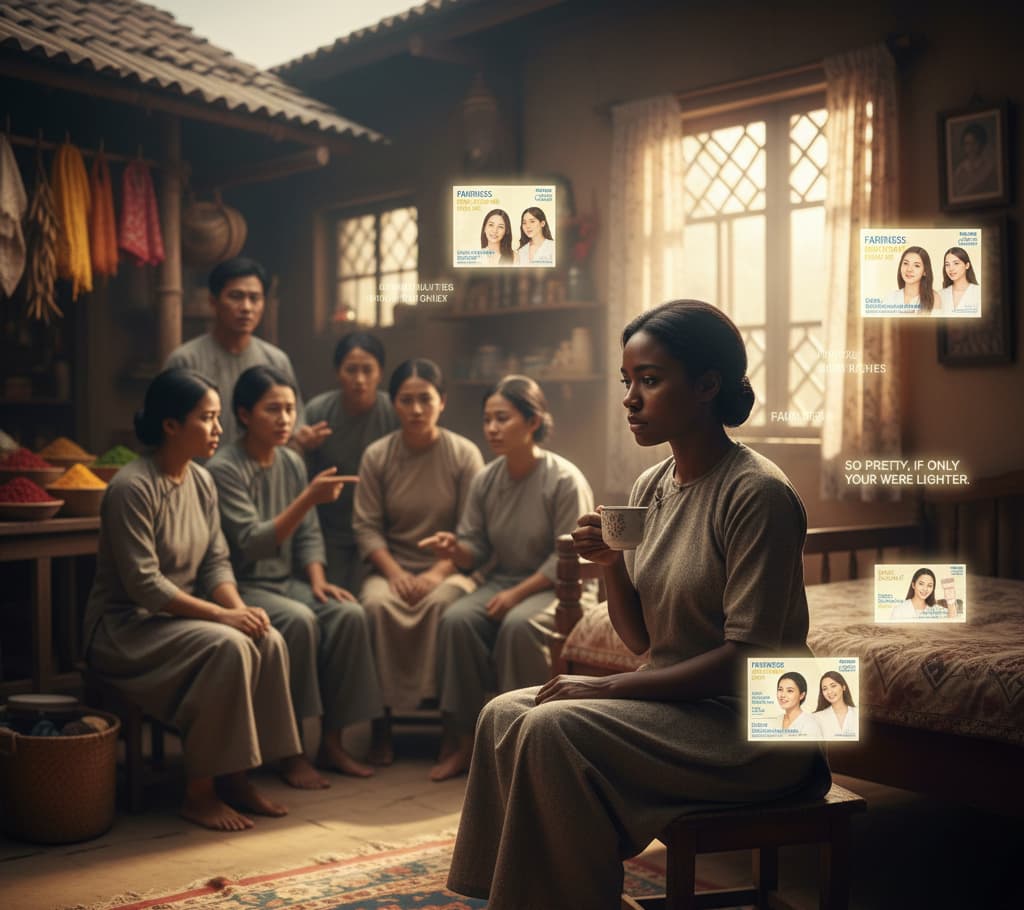
Why Does Skin Color Matter So Much in Our Society?
There are several reasons why people still judge others based on skin tone:
Historical Influences
Colonial history left behind an obsession with fair skin, associating it with superiority and power.
Media Representation
For decades, advertisements, TV dramas, and films have promoted fairness creams and showed lighter skin as “better.”
Cultural Conditioning
Children are often raised hearing phrases like:
- “Fair ho jao toh accha rishta mil jayega.”
- “Dhoop mein mat jao, kaali ho jaogi.”
Such comments plant the seed of discrimination early.
Social Power Imbalance
Some people feel entitled to judge or degrade others simply because they believe fair skin makes them “better” or “more respectable.”
This mindset is cruel, dehumanizing, and completely unacceptable.
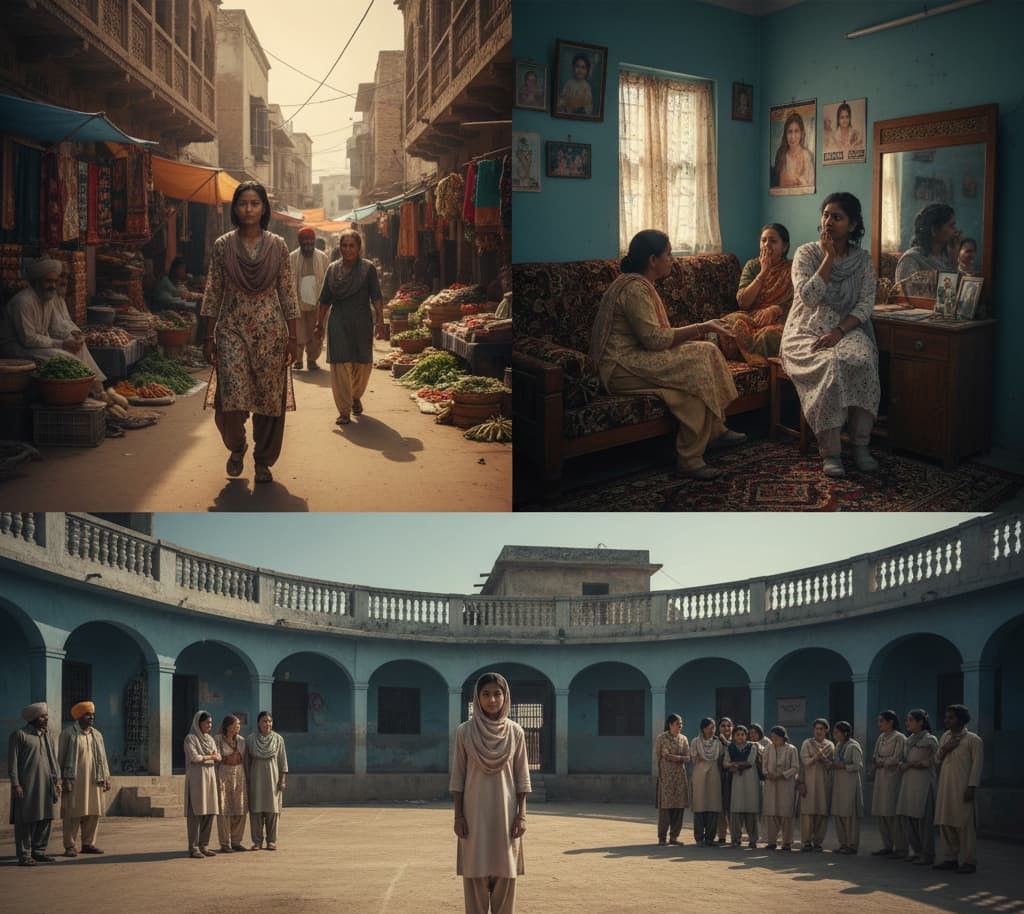
Colorism in Khyber Pakhtunkhwa: A Reality People Don’t Talk About
While colorism exists throughout the country, it is especially noticeable in Khyber Pakhtunkhwa, where:
- Fair skin is often associated with beauty and good character
- Darker people are mocked, insulted, or judged
- Even young boys and girls hear comments about their complexion
- Marriage proposals are influenced by skin tone
- People from other cities assume KP residents must fit a “fair and Pashtun-looking” stereotype
This creates unnecessary pressure and emotional harm.
A Real-Life Scenario: The Experience of a Dusky Girl From KP
Her childhood never tasted innocence only the pressure of “fixing” what was never broken.
In a small school in kp , a young 13-year-old girl with a naturally dusky complexion faced a kind of cruelty she could neither understand nor respond to. The children at school were not the only ones who mocked her; even the maulvi sahiban, the very men responsible for teaching morality, compassion, and Islamic values, repeated the same hurtful remarks about her color. What made their behavior even more painful was the contradiction it held. These were the same religious teachers who narrated the story of Hazrat Bilal ibn Rabah, explaining how he was called “black” as an insult, how the cruelty of people wounded his heart, and how his pain held such significance that it became part of Islamic history. They recounted how his azan carried the weight of dignity, faith, and resilience. Yet those same lessons, those same moral teachings, vanished the moment they interacted with a little girl standing before them.
At 13, she did not even understand what “color” meant or why it mattered to people. She only understood the hurt in their tone, the way they looked at her, and the shame they forced upon her without reason. A child at that age should be learning confidence, kindness, and self-respect. Instead, she was being taught that the shade of her skin overshadowed her personality, intelligence, and innocence. The emotional damage left by the people she trusted the ones meant to guide her stayed with her far longer than any lesson they ever taught.
Islam itself clearly states that no person has superiority over another on the basis of skin color. The Qur’anic principle is simple and powerful neither the fair-skinned is superior to the dark-skinned nor the dark-skinned to the fair. Superiority lies only in righteousness and character. Yet somewhere in the fabric of society, people have chosen to forget this teaching. They claim faith, preach equality, and recite powerful stories from Islamic history, but fail to live by those values in their everyday behavior. It is a painful irony that the message of equality is celebrated in speeches but ignored in practice.
This young girl grew up believing that something was wrong with her something she never chose and never could change. The attitudes of those who mocked her did not reflect religion; they reflected their own ignorance. Instead of nurturing her, they broke pieces of her confidence one comment at a time. And in doing so, they stood in direct opposition to the religion they claimed to represent.
Color should never have been a measure of worth. Not in society, not in schools, and certainly not in the hearts of those who teach faith. Yet these contradictions continue, leaving children confused, belittled, and emotionally wounded. The tragedy is not the color of the girl’s skin; the tragedy is the selective morality of people who forget that faith is not just preached it is practiced through compassion, dignity, and the way we treat one another.
The Silent Pain Inside Her Home
What hurts her more than the outside world is the attitude of her own parents.
Instead of protection and comfort, she receives:
- Constant reminders that she isn’t “fair enough”
- Comparisons with fair-skinned cousins or neighbors
- Hurtful jokes disguised as “advice”
- Pressure to look “acceptable” in society
Her father adds:
- “Shaadi kaun karega tumse? Itni kaali ho.”
These are not comment these are emotional wounds that shape a child’s identity.
This Should Have Never Happened
This should have never happened, not to her and not to any child who deserves nothing but love, safety, and acceptance. A young girl should never grow up believing that the color of her skin determines her worth or shapes her future. The cruel words she heard from classmates, relatives, and even the religious teachers she trusted were not just comments; they were emotional wounds that shaped her identity in the worst possible way. A child’s heart is delicate, and instead of nurturing it with kindness and confidence, society filled hers with shame and insecurity. She should have been celebrated for her innocence, her personality, her character, and her potential. Instead, she was made to feel flawed for something that was never a flaw. The real failure is not her complexion it is the mindset of the people who let prejudice overpower humanity, compassion, and even faith. This should have never happened, and it should never happen again.
Conclusion
In the end, the heartbreaking truth is that this mindset has existed for generations, continues to exist today, and will likely continue for years unless society chooses to confront its own prejudice. These patterns of discrimination, mockery, and emotional cruelty do not simply disappear on their own they are carried from one household to another, from one classroom to the next, and from the words of elders into the minds of children. And while people normalize it as “culture” or “casual comments,” they never see the silent destruction it causes inside a person. Countless individuals fall into depression, anxiety, and lifelong insecurity because of these attitudes. Many suffer quietly, never finding the courage to speak about the emotional scars left behind. The cycle continues because society refuses to accept that colorism is not harmless it is a form of emotional violence. Unless hearts change, unless people unlearn their biases, and unless families stop feeding these beliefs to their children, more lives will continue to be crushed under the weight of something as meaningless as skin color.