A Region Caught Between Geography and Geopolitics
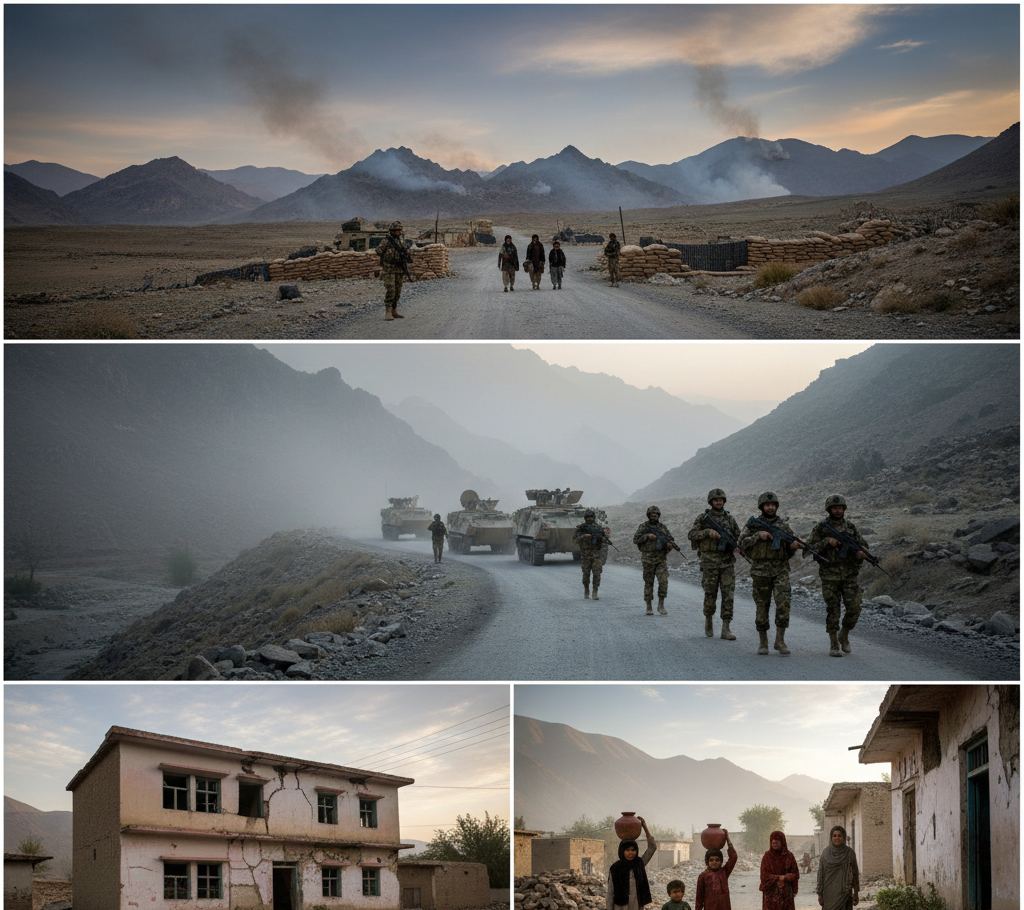
Khyber Pakhtunkhwa has long stood at the crossroads of regional power struggles. Its rugged terrain, diverse tribal landscape, and proximity to the Afghan border shaped a history in which local autonomy, external influence, and political transitions repeatedly collided. These intersections gradually transformed KPK into a theatre of militancy, displacement, and prolonged instability.
Seeds of Conflict: The Post Soviet Afghan Fallout
The modern era of conflict in KPK can be traced back to the aftermath of the Soviet-Afghan war. As fighters and ideological networks flowed into the border regions, unregulated armed groups established influence over areas with limited state presence. This period witnessed:
Growth of non-state militant networks
Weakening of local administrative structures
Increased reliance on tribal agreements rather than formal governance
Rise of Militancy: Early 2000s to Mid-2010s
After 2001, instability escalated dramatically. Factors that worsened the situation included:
- Spillover of conflict from Afghanistan
- Emergence of local militant factions with independent agendas
- Exploitation of socioeconomic gaps in remote districts
Districts such as Swat, Buner, and the former FATA region became hotspots where militant control disrupted education, public life, and traditional tribal systems.
Social and Human Impact
The prolonged conflict inflicted deep scars on communities:
- Massive internal displacement of families
- Disruption of schooling for an entire generation
- Collapse of local businesses and agriculture
- Psychological trauma and cultural losses
Post-2017 Developments: A Shift in Dynamics
Following the merger of FATA with KPK in 2018, administrative reforms aimed to integrate tribal regions into mainstream governance. However, the transition process has been slow and uneven. Challenges still include:
- Vacuums in civil administration
- Delayed justice mechanisms
- Limited economic opportunities
- Residual pockets of militancy exploiting governance gaps
The Recent Conflict in Tirah Valley
Tirah Valley has historically been a strategically important region due to its rugged terrain and connectivity to the Afghan border. Its geography allows small armed groups to hide, reorganize, and exert influence over nearby routes.
The Current Issue
In recent months, reports from Tirah indicate:
- Renewed clashes between militant groups and security personnel
- Displacement of local populations due to insecurity
- Closure of roads and disruption of trade routes
- Heightened tensions in surrounding villages
Local residents have expressed concern over the re-emergence of armed activity, fearing a return to the instability of earlier decades.
Humanitarian Concerns
The situation has triggered:
- Families fleeing towards safer districts
- Uncertainty about access to food, healthcare, and communication
- Disruption of agricultural cycles important for livelihood
These developments underscore that the conflict continues to evolve and remains unpredictable.
What Lies Ahead Questions the Region Must Confront
As KPK navigates its turbulent history, several key questions shape the future:
- Will long-promised administrative and economic reforms reach the tribal districts effectively?
- Can local governance institutions be strengthened to prevent future power vacuums?
- How will the younger generation, shaped by years of conflict, find stable opportunities?
- Will Tirah and similar regions regain sustainable peace?
Impact on Governance and Civil Administration
The prolonged instability in Khyber Pakhtunkhwa has significantly weakened civil institutions. Political transitions often delayed long-term planning, leaving administrative gaps especially in merged tribal districts. As a result, essential services such as education, justice, and local development struggled to operate consistently, allowing governance vacuums to deepen over time.
Impact on Social Structure and Public Life
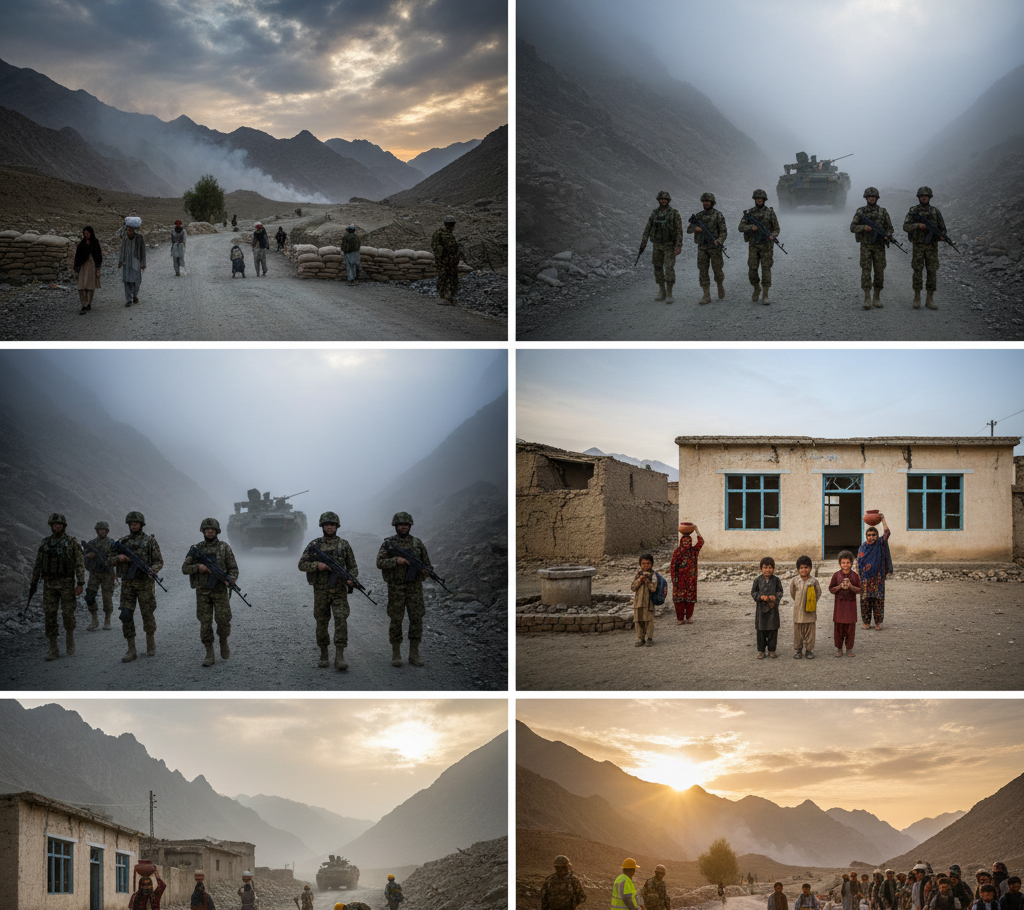
Decades of conflict and fluctuating political control reshaped the province’s social fabric. Families faced repeated displacement, traditional tribal systems were disrupted, and youth opportunities shrank amid insecurity. In areas like the Tirah Valley, recurring unrest further strained community resilience, creating psychological stress, economic stagnation, and a persistent sense of uncertainty in everyday life.
Impact on the People: Daily Hardships and Growing Uncertainty
The ongoing tensions in conflict-affected regions have placed ordinary citizens under severe pressure. Families are forced to navigate restricted mobility, disrupted markets, and limited access to health and education services. Many live with constant stress due to sudden displacement, loss of income, and the fear of renewed violence. This uncertainty has made everyday life unstable, pushing entire communities into a cycle of economic struggle and emotional fatigue.
Overall Conclusion
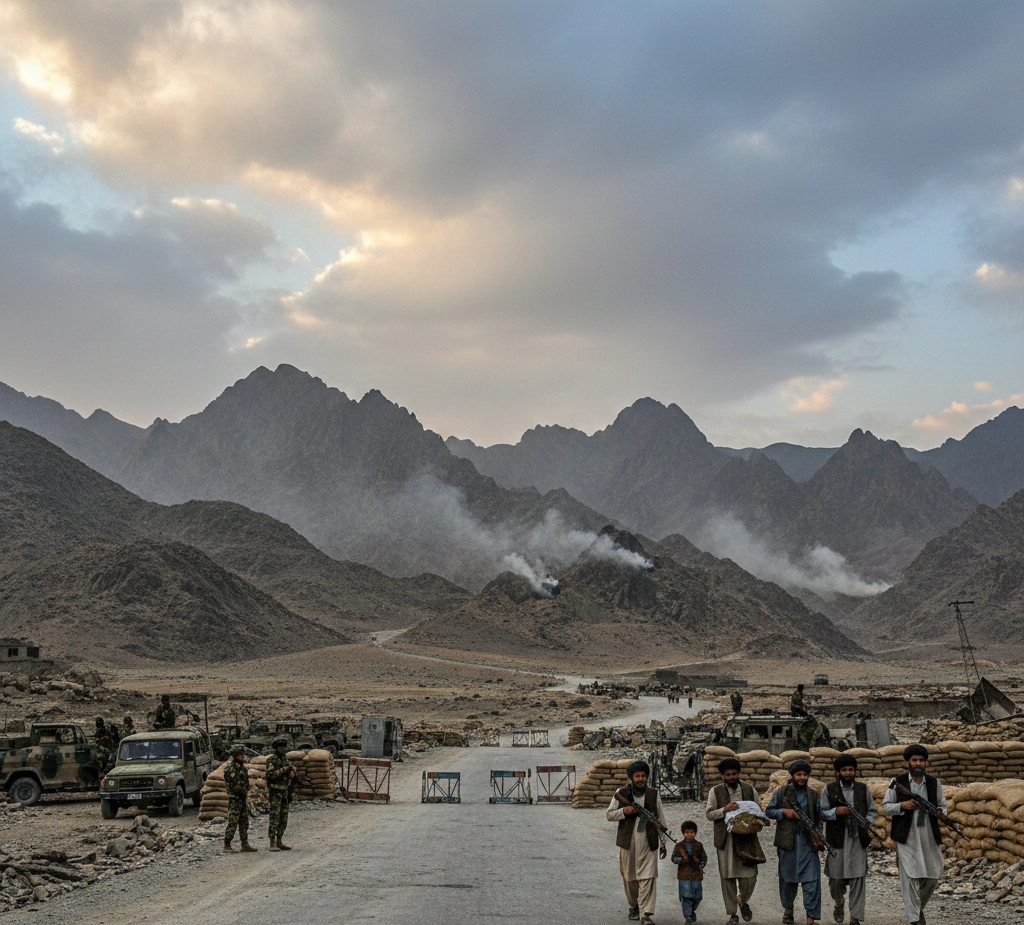
The situation in Khyber Pakhtunkhwa from its historical conflicts to the recent tensions in the Tirah Valley reflects a region still caught between incomplete political integration, fragile governance, and longstanding security challenges. While each era of political rule introduced new dynamics, the combined effect has been a cycle of instability that continues to shape daily life for the people. Communities remain resilient, yet they face persistent hardships such as displacement, economic uncertainty, and weakened social structures.
For KPK to move toward lasting stability, governance must strengthen, local voices must be integrated into decision-making, and consistent civilian systems must take root. Only then can the province break free from decades of conflict and chart a more secure and prosperous future for its people.