The Architecture of Protection
When someone powerful is accused of harassment or abuse, the response rarely starts with concern for victims. It often begins with damage control.
Step 1: Legal Containment
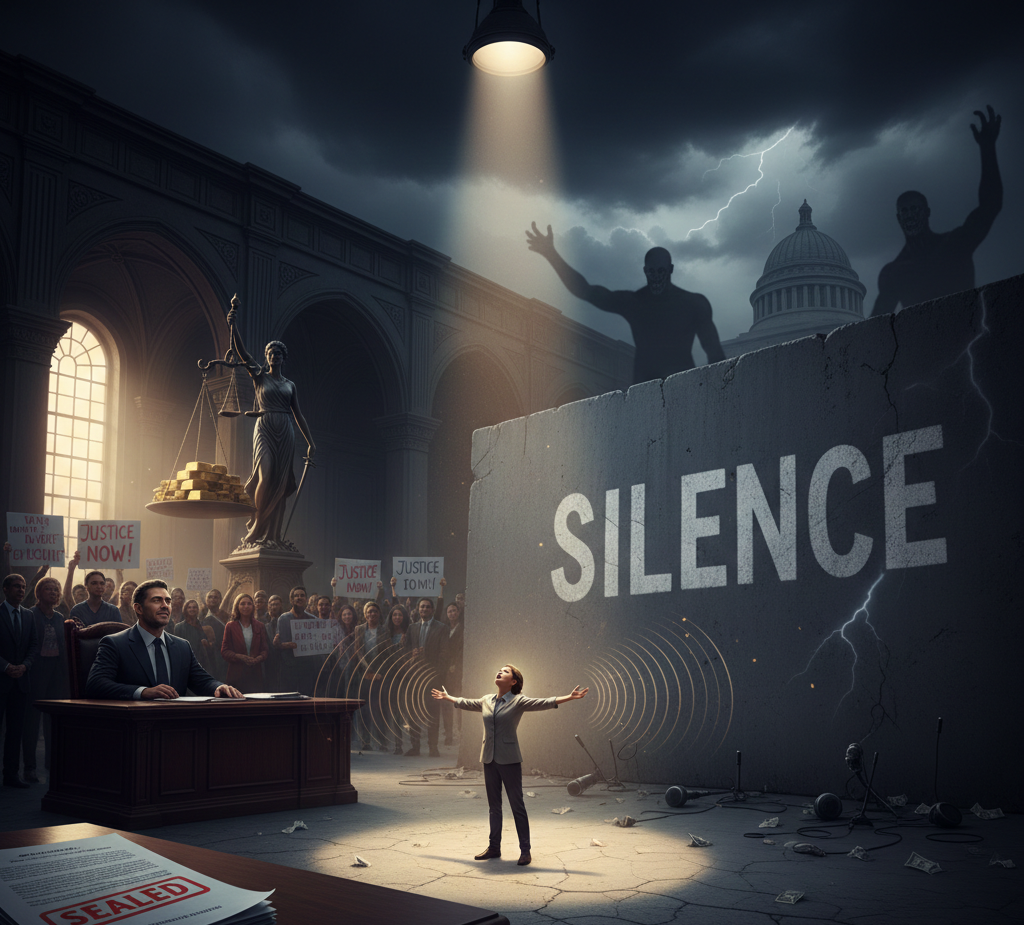
High-profile figures deploy elite legal teams immediately. Aggressive defamation threats, sealed settlements, and non-disclosure agreements (NDAs) can discourage victims from speaking publicly. Silence becomes contractual.
Step 2: Reputation Management
Public relations firms step in. The narrative shifts from the allegation to the accused’s achievements. Words like “misunderstanding,” “smear campaign,” or “political attack” dominate headlines.
Step 3: Institutional Loyalty
Boards, executives, or political allies delay investigations, downplay accusations, or quietly move the accused to another position. Protection is framed as “due process,” but urgency disappears.
Step 4: Public Fatigue
Media cycles move fast. Without sustained coverage, outrage fades. Stories become old news. Accountability stalls.

The Role of Money
Wealth buys time and time changes outcomes.
Expensive attorneys can stretch cases for years. Settlements can remain confidential. Victims without similar resources often face:
- Emotional strain
- Career retaliation
- Social backlash
- Financial pressure
The imbalance creates a chilling effect. Many survivors ask themselves:
“Can I afford to fight this?”
Often, the honest answer is no.
Influence: The Invisible Shield
Influence is more subtle than money — but just as powerful.
Political donors may receive quiet protection. Corporate leaders may have decades-long relationships with board members. Celebrities may benefit from loyal fan bases that attack accusers online.
When reputation equals revenue, institutions may protect income streams over individuals.
The case of Jeffrey Epstein illustrated how connections across elite circles complicated accountability. His associations with influential figures fueled public concern about whether powerful networks can slow or obscure justice. While courts ultimately intervened, many still question how long protection mechanisms delayed scrutiny.
The broader issue is not one name it’s the ecosystem that enables delay.

Silence as Strategy
Silence is rarely accidental.
It can be engineered through:
- NDAs and confidential settlements
- Internal HR processes that prioritize company liability
- Social intimidation (“This will ruin your career”)
- Media distraction
Survivors often face a painful calculation: speak and risk everything, or stay quiet and protect stability.
For many, silence feels safer.
Why Systems Resist Change
Institutions are built to preserve themselves.
A corporation fears lawsuits and stock drops.
A political party fears losing elections.
A university fears reputational damage.
Admitting systemic failure threatens funding, leadership, and legacy. So denial becomes defense.
Reform only happens when:
- Media scrutiny becomes relentless
- Public outrage affects profit or votes
- Multiple victims corroborate patterns
- Legal consequences become unavoidable
Without pressure, systems default to self-preservation.
The Cost of Protection
When abusers are shielded, the damage multiplies.
- Victims lose trust in justice
- Future victims remain at risk
- Whistleblowers are discouraged
- Public confidence in institutions erodes
Over time, cynicism grows. People begin to believe accountability is selective that consequences apply differently depending on wealth or status.
That belief is dangerous for any democracy.
Are Things Changing?
Movements for accountability have forced cultural shifts. More survivors are speaking publicly. Journalists are investigating power structures more aggressively. Laws around harassment reporting and workplace transparency have evolved in several regions.
But progress is uneven.
For every public conviction, there are cases quietly settled. For every exposed network, there may be another hidden one.
Real change requires more than outrage it requires structural reform:
- Limiting abusive use of NDAs
- Strengthening whistleblower protections
- Ensuring independent investigations
- Making institutional processes transparent
Accountability should not depend on status.
What This Means for Society
This issue isn’t about celebrity scandal. It’s about trust.
When systems protect the powerful over the vulnerable, they send a message about whose safety matters more.
The question is not whether abuse exists.
It’s whether power determines the response.
Until institutions value transparency over reputation and justice over influence, protection will remain easier than accountability.
Final Thought
If justice depends on money and connections, is it truly justice?
What do you think are systems improving, or are they simply adapting to protect themselves more quietly?
Your voice matters.